

This site is reader-supported. When you buy through our links, we sometimes earn a commission from the provider — at no extra cost to you. In fact, you'll often get an exclusive discount. These partnerships fund our independent work, but never shape our conclusions. Learn more
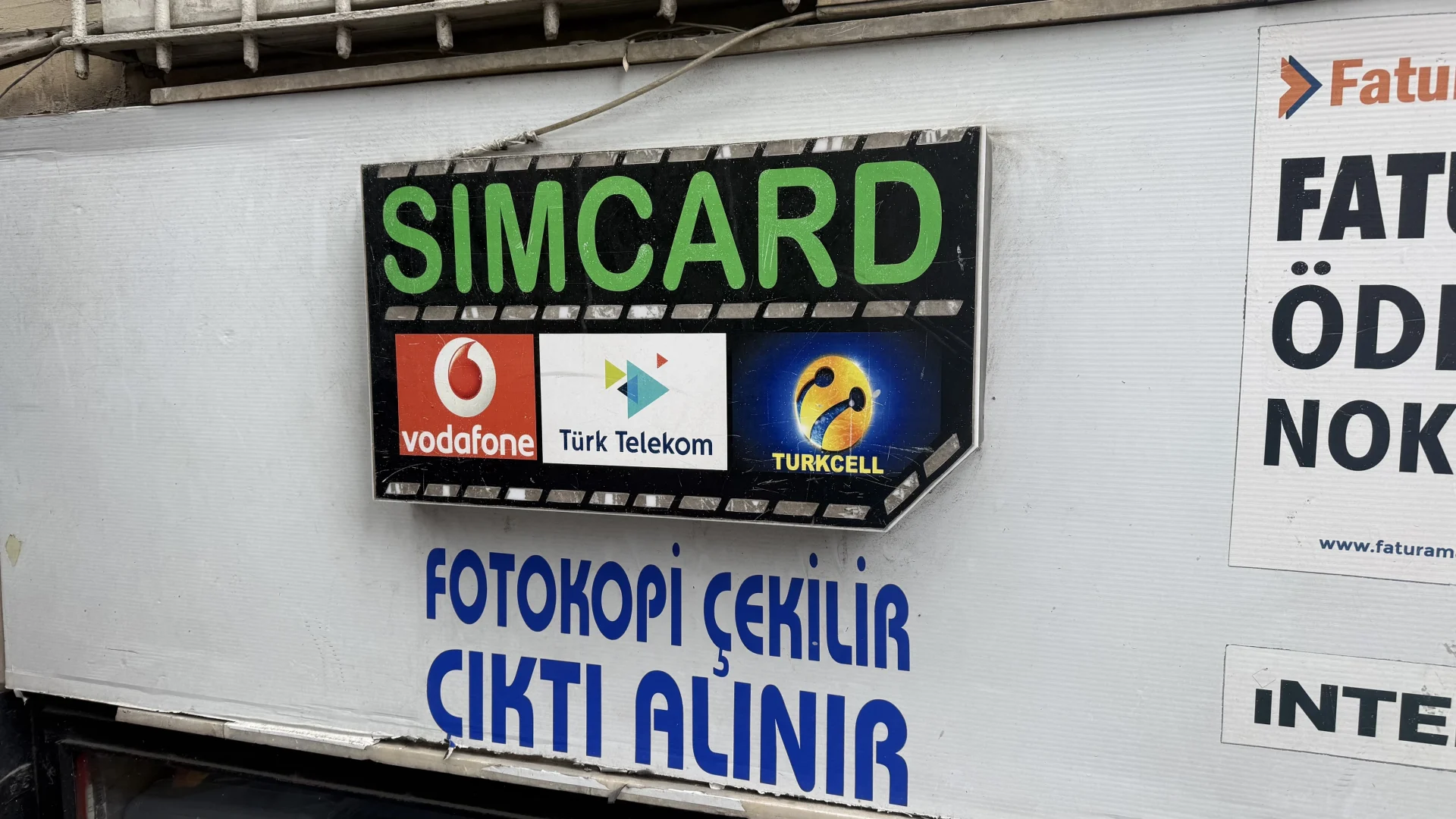
With peak season approaching, the Greek islands are back at the top of many British holidaymakers' lists. But if you're heading east, there's a risk most travellers only realise when it's too late: a surprise mobile phone bill caused by your phone silently connecting to a Turkish network.
An old problem, fresh victims
Although the issue has been known for years, complaints keep popping up on operator forums. In June 2025, an iD Mobile customer posted on the iD Mobile Community after receiving a "welcome to Turkey" text while on a Greek island, despite never leaving Greece. An O2 customer reported a similar issue on the O2 Community forum after a trip to Rhodes: she was charged for roaming in Turkey while taking a bus into Rhodes old town, never having left the island.
The problem mainly affects islands close to the Turkish coast: Lesvos, Chios, Samos, Kos and Rhodes all sit just a few kilometres from Turkey. At that distance, a Turkish mast can sometimes provide a stronger signal than the Greek network. Your phone automatically picks the strongest signal and switches over without warning.
Post-Brexit, your EU protection is patchy at best
Here's where British travellers face a bigger problem than EU citizens. Since Brexit, UK mobile networks are no longer required to offer free roaming in the EU, and most have reintroduced charges. Of the four main networks, only O2 still includes EU roaming on all its plans (up to 25 GB). Three, Vodafone and EE now charge between £1 and £2.59 per day for European usage, even on premium contracts.
But that's just for EU countries. Turkey sits entirely outside any EU roaming arrangement, full stop. Once your phone connects to a Turkish mast, you're on standard non-EU roaming rates, which can be eye-wateringly expensive. Some UK carriers charge £6 or more per day for any data used in Turkey, others bill per megabyte at rates that can climb quickly. Travellers have reported bills running into thousands of pounds after their phone latched onto a Turkish signal without warning.
The charges are legally valid
However unfair it feels, the charges are usually legitimate. Turkey is not in the EU, so even if you have a plan with EU roaming, those benefits don't apply. Once your phone connects to a Turkish network, you're billed at non-EU rates regardless of whether you actually crossed any border.
There is one important UK protection: under Ofcom rules, mobile providers must by default cap data roaming charges outside the EU at £45 per month (excluding VAT). When you approach the limit, your provider must send a text warning, and once you hit it, mobile data must be blocked unless you actively opt out of the cap. Worth checking your provider applies this correctly, especially on older or business plans.
Asking for goodwill sometimes works
Stuck with a high bill? It's not a scam and your provider is legally entitled to charge you, but you can always ask for goodwill. Some carriers waive part of the bill, especially if you can show you never left Greek territory. They're not obliged to, but it costs nothing to try.
If you can't pay the bill straight away, contact your provider before the due date to avoid being cut off or facing collection fees. If you believe the £45 cap wasn't applied properly, you can escalate to CISAS or Ombudsman Services: Communications, but always raise it with your provider first.
How to prevent it
A few measures genuinely work:
- Switch to manual network selection. In your phone settings, explicitly pick a Greek network: Cosmote, Vodafone Greece or Nova. Your phone will then ignore other (stronger) signals. After using airplane mode or restarting your phone, it's worth re-checking the setting. And watch out: there's also a Turkish Vodafone, which won't help you here.
- Use a Travel eSIM for Greece, or one that covers Greece and Turkey. For a few pounds you can get an eSIM that works in both countries. That way you don't have to worry, and your phone simply picks the strongest network, even if it's Turkish. Have a look at our test of eSIM providers in Greece.
- Be careful on ferries. At sea, your phone can connect to a maritime satellite network. Those rates are even higher than Turkish roaming.
O2 customers are the only ones with built-in EU cover, but Turkey is still off-limits
Not everyone is at risk in the EU, but everyone is at risk in Turkey. O2 is the only major UK network that still includes EU roaming on all plans, so its customers can use their UK allowance freely across the Greek mainland and most islands. Vodafone, Three and EE customers now pay a daily fee for EU roaming, though some of their premium tiers (Vodafone Xtra, EE Roam, Three Advanced) include it. But none of these EU benefits cover Turkey: the moment your phone latches onto a Turkish mast, you're outside your plan and standard non-EU rates apply.
When in doubt: check your plan's terms before you fly.
Featured image credits: unsplash+